

People assume that writing gets easier after you’ve published a few books. It doesn’t.
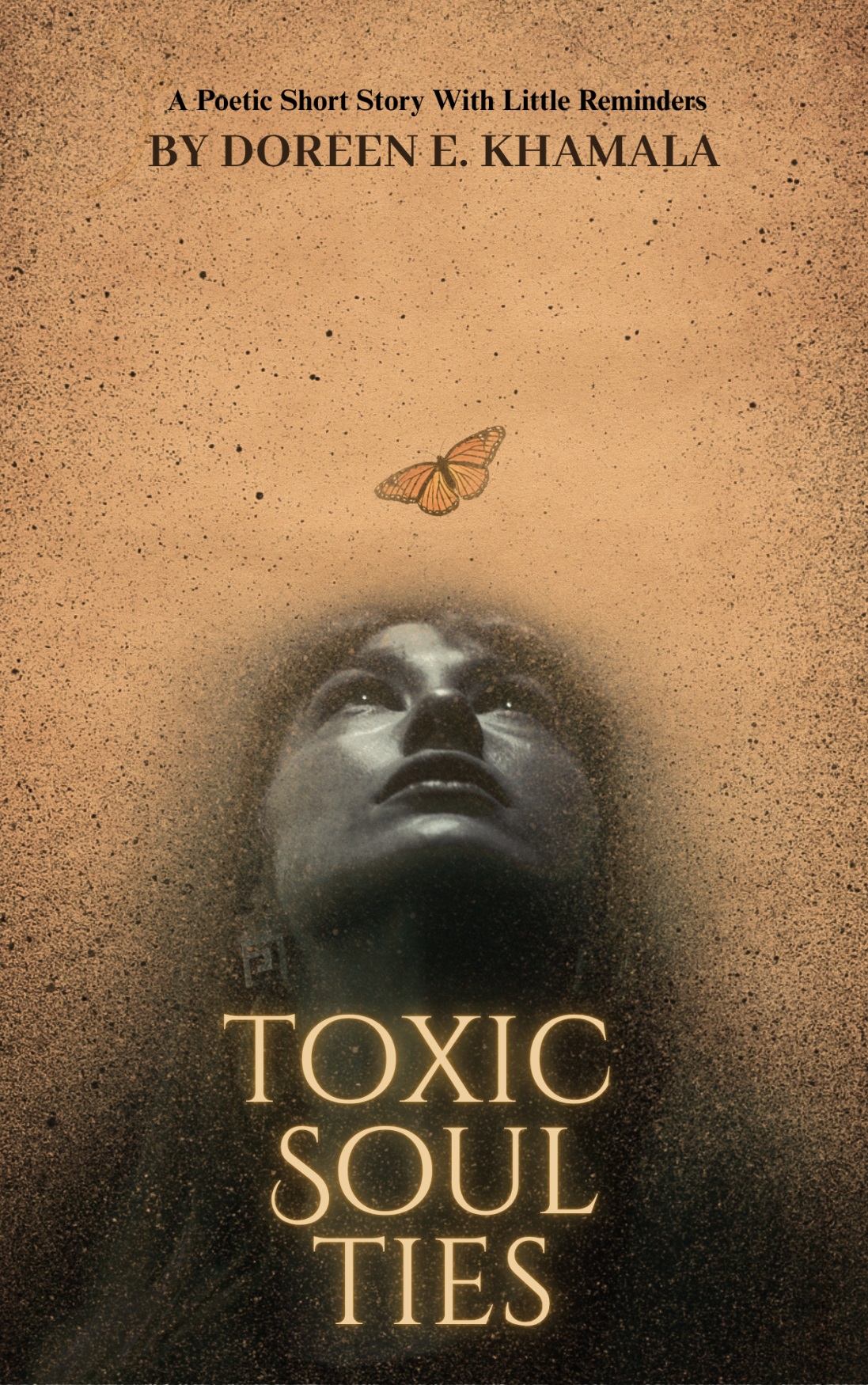
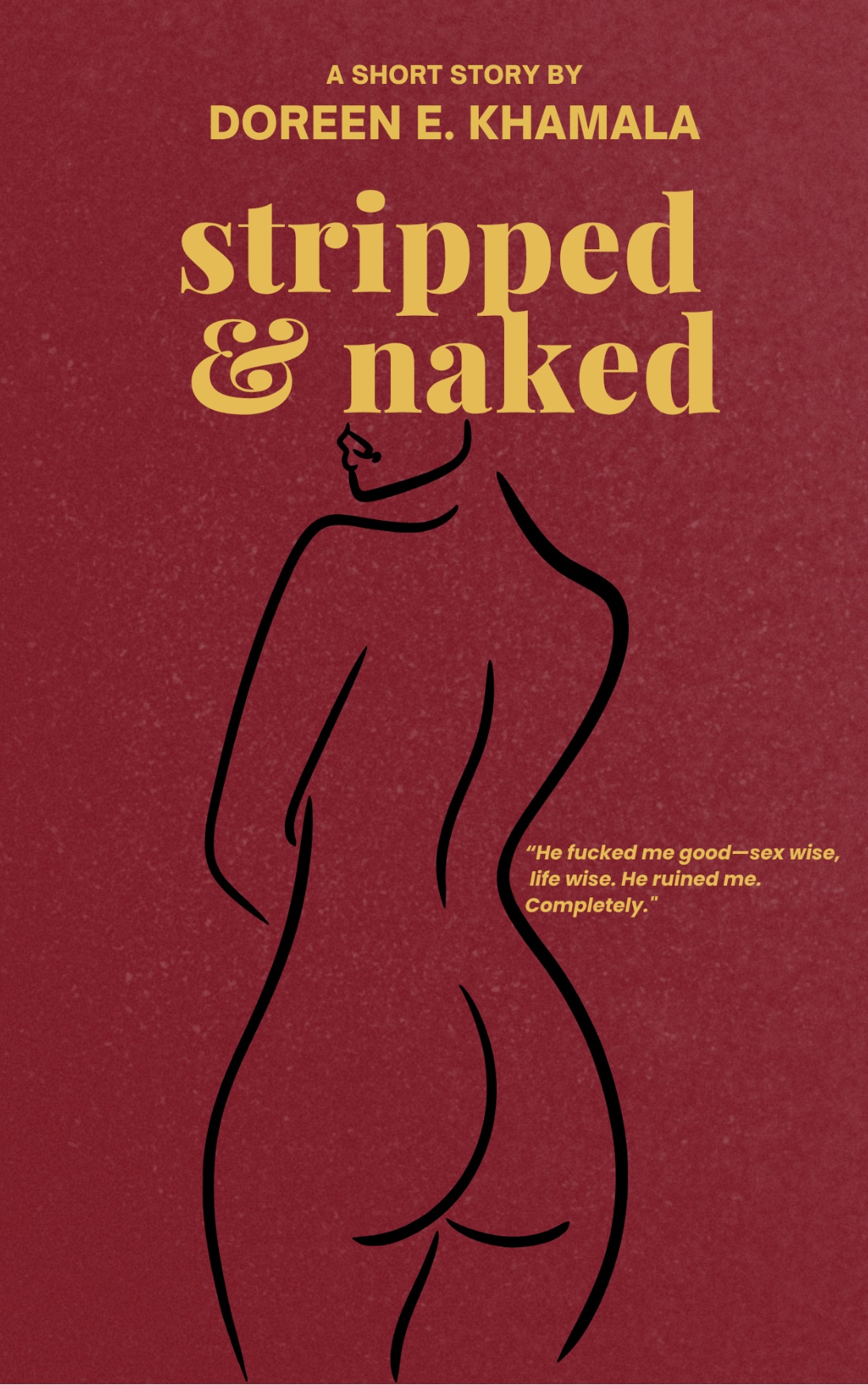
I have written five books by 2024, since I first published in 2017. From the outside, that sounds like enough proof that I know how to sit down and write. Yet today, I often find myself struggling to begin the sixth book. The desire is still there. The ideas still come. The stories still whisper. But life has become louder.
What makes this situation even stranger is that I write every single day. I work as a professional marketer in a demanding 9-to-5 role (Mon – Fri). In a typical week, I might write website content, campaign briefs, social media copy, email newsletters, stakeholder updates, promotional articles, event announcements, and brand messaging. Outside work, I am also deeply involved in Kenya’s writing community. I create content for Authors and Writers Club Kenya on Instagram and its WhatsApp community. I contribute content for Novel Academy Kenya on TikTok and LinkedIn. Those platforms are active and engaging. There is always another caption to write, another educational post to create, another discussion to facilitate, another video script to draft, and another community conversation to lead.
So the problem is not that I have stopped writing. The problem is that I have stopped writing books.
I experienced the same paralysis in 2018, after my second book. The third came in 2022. The fourth in 2023. The fifth in 2024. And now I can feel myself drifting toward that place again — that quiet, comfortable place where I tell myself I deserve a rest, where another two years slip by before I return to long-form work. It is becoming a pattern. Recognising it is the first act of resistance.
That realization led me to examine what many writers call writer’s block. And broadly speaking, there are four overlapping causes of writer’s block: a lack of inspiration, a lack of confidence, toxic perfectionism, and plain old procrastination. Looking at my own experience, I can see all four.
When Inspiration Runs Dry
Writing my first book felt exciting because every page felt like discovery. By the time I reached my fifth book, I had already explored many of the themes closest to my heart. New ideas arrived, but they didn’t always feel urgent enough to sustain an entire manuscript.
The mistake many writers make is waiting for inspiration before they write. What I have learned is that inspiration often arrives after the work has started. Some of my best ideas have emerged while writing rough notes, unfinished scenes, or fragmented thoughts.
These days, instead of pressuring myself to write a whole book, I focus on writing a scene, a memory, a conversation, or a single page. The smaller target removes the pressure and often reignites creativity.
The Confidence Trap
Nobody talks enough about how success can make writing harder. When I wrote my first book, I had nothing to prove. Every completed chapter felt like a victory. After five books, expectations changed. Readers expect another book. Friends ask when the next one is coming. Even I expect more from myself.
That creates a dangerous question: What if I cannot do it again?
Confidence issues rarely announce themselves openly. Instead, they disguise themselves. We convince ourselves that we are waiting for the right time, the right idea or the right opportunity. In reality, we may simply be afraid of not meeting our own standards.
And then there is another fear that many authors quietly carry, especially those of us who have self-published: the unsold copies.
You look around your house and see cartons of books tucked under the bed, stacked in a corner of the bedroom, hidden behind a cupboard, or gathering dust on a shelf. One year later, some copies are still there. Two years later, some are still there.
Then the whispers,
“Why are you writing another book when the last one hasn’t sold?” “Who is going to buy this one?” “Shouldn’t you focus on marketing the books you already have?” “Maybe you’ve written enough.”
This is a fear that is particular to writers who self-publish or operate outside the traditional publishing infrastructure , which describes most Kenyan authors. There is no publisher absorbing the risk. The investment is personal. The unsold copies are a physical, daily reminder that the market did not respond the way you hoped. Starting a new book can feel like refusing to learn a lesson.
But unsold copies are a distribution problem, a marketing problem, and sometimes simply a timing problem. They are not a verdict on whether the book deserved to exist. They are not proof that the next one should not be written. Every author who has ever mattered has had books that struggled to find their audience. Some found their readers years later, some only after the author had already moved on to the next work. The book sitting under your bed is not a failure. It is a book waiting for the right reader, the right moment, the right conversation.
Writing the next book is not a betrayal of the last one. It is, in fact, the most effective thing you can do for it. A back catalogue grows in value as the author grows in visibility. The sixth book may be the one that sends someone back to find the first five.
The Perfectionism Problem
Of all the obstacles I face, perfectionism may be the most stubborn.
As a younger writer, I would write ten imperfect pages and move on. Today, I can spend an hour revising a single paragraph. It feels productive, but often it is simply fear disguised as professionalism.
Perfectionism tells us that the next sentence must be excellent. It tells us that the next book must be better than the previous one. It convinces us that quality requires endless polishing. But a manuscript cannot be improved if it never gets written.
One habit that helps me is separating writing from editing. During writing sessions, I focus only on creating. During editing sessions, I focus on improving. Mixing the two often leads to paralysis.
The Real Villain: Procastination
Sometimes writer’s block is complex. Sometimes it is not. Sometimes it is simply procrastination.
I have answered unnecessary emails, reorganized files, planned future projects, watched videos about writing, and spent hours researching instead of writing. Productive procrastination is particularly dangerous because it feels like work.
The solution that works best for me is lowering the barrier to entry. Instead of committing to three hours of writing, I commit to fifteen minutes. Most of the time, once I start, I continue. Beginning is often the hardest part.
Why Life Gets in the Way
For many Kenyan writers, writing does not happen in quiet retreats or isolated cabins. It happens between responsibilities.
It happens after work.
It happens during lunch breaks.
It happens before the children wake up.
It happens late at night when everyone else is asleep.
Many of us balance multiple identities. We are professionals, entrepreneurs, parents, mentors, community builders, and creatives. Writing must compete with all of them. That is why I no longer wait for the perfect season to write. Perfect seasons rarely arrive. There will always be deadlines, meetings, bills, family commitments, and unexpected interruptions.
The challenge is not finding unlimited time. The challenge is protecting small pieces of time consistently.
The Book That Still Wants to Be Written
Despite everything, I still want to write that sixth book. The desire has never disappeared. The stories are still there. The characters are still waiting. The ideas still arrive when I least expect them.
What has changed is that I now understand writer’s block differently. It is not always the absence of creativity. Sometimes it is the collision between creativity and responsibility. Sometimes it is fear. Sometimes it is perfectionism. Sometimes it is procrastination.
And sometimes it is simply the reality of a life that is already full of words.
Every day I write marketing copy, social media content, community updates, campaign messages, professional communications, and educational content for writers. My writing muscles are still active. They have not disappeared.
What I need is not the ability to write. What I need is the courage to return to the long form, uncertain, demanding work of writing another book.
If you are struggling to write your second, third, fourth, or sixth book, remember this: you do not need perfect inspiration, complete confidence, flawless prose, or an empty schedule.
You simply need to begin again.
One sentence.
One paragraph.
One page.
After five books, that may be the most important lesson I have learned. Writing is not about waiting for the perfect moment. It is about returning to the work, again and again, even when life gets in the way. Especially when life gets in the way.
If any of this resonates, you are not alone in it. The Authors and Writers Club Kenya WhatsApp community is where Kenyan writers have honest conversations about exactly these things — the blocks, the fear, the unsold copies, the long silences between books, and the small victories that keep us going. Not a highlight reel. Just writers, in the middle of the work, holding each other to it.