
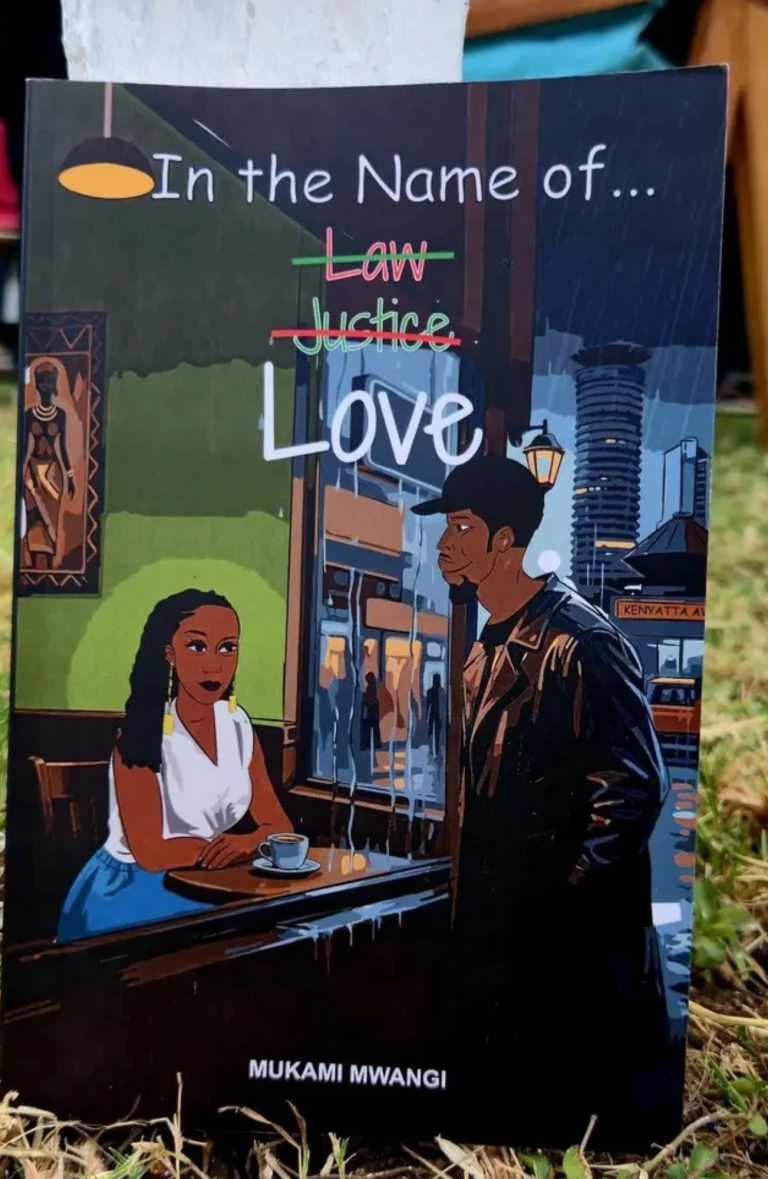
Can love exist when two people stand on opposite sides of a ‘war’?
After a single tweet costs Makena her job, she reluctantly accepts a position with the government—the very system she spends her free time criticizing.
The last person she expects to encounter at her new role is Kubai, the stranger she couldn’t stop thinking about after one unforgettable evening.
As their connection deepens, so does the distance between what they know and what they’re willing to tell each other.
Outside, Nairobi is gripped by protests, police crackdowns, and a growing fear that no one is truly safe. Inside, every secret threatens to unravel the fragile trust they’ve built.
When the truth finally comes to light, Makena and Kubai must decide whether love is enough to survive betrayal… or whether some divides were never meant to be crossed.
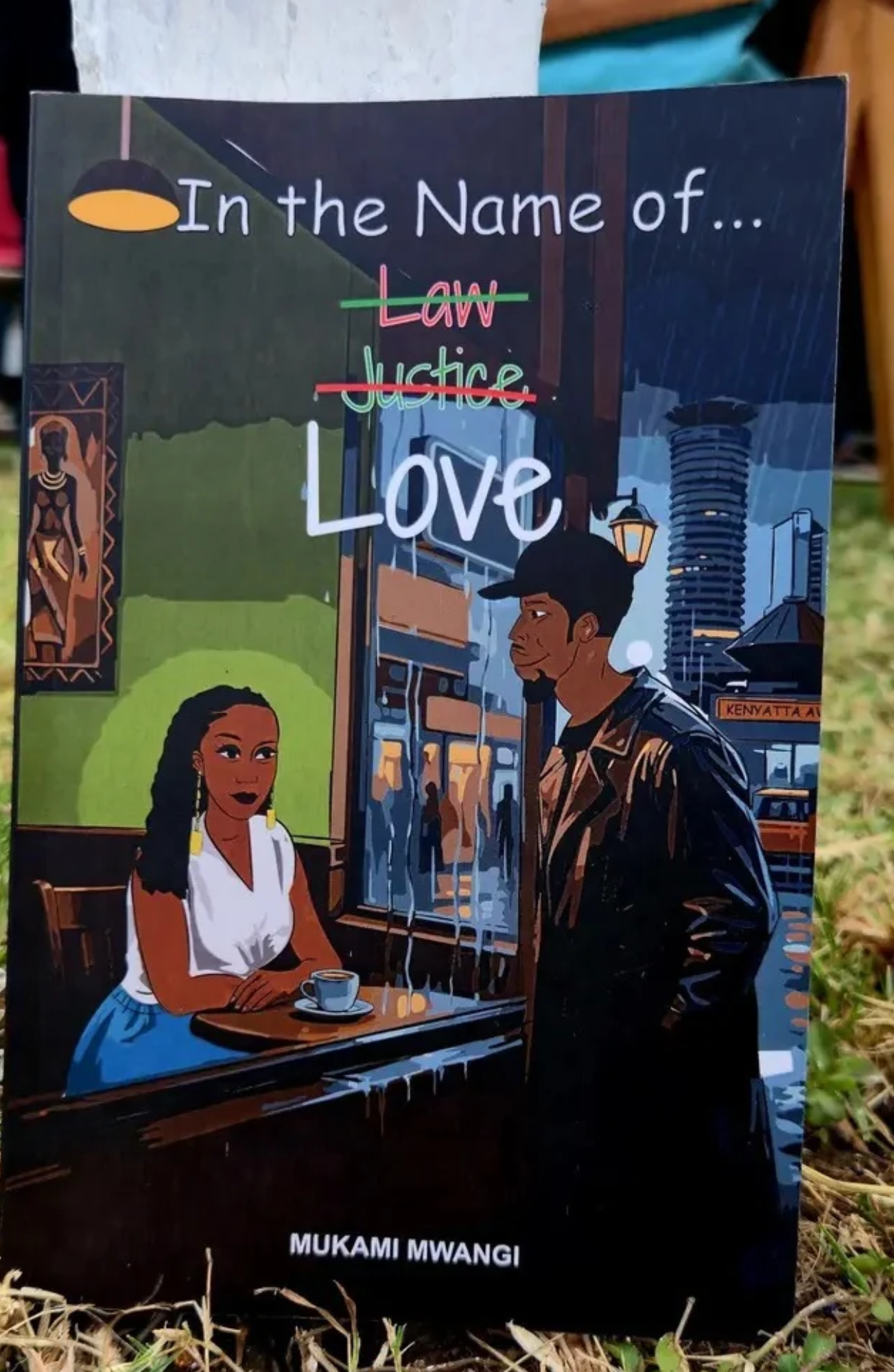
1 review for In the Name of Law Justice Love by Mukami Mwangi
Doreen E. Khamala –
The setup is simple and works. Makena is a young blogger who made her name criticising the government. She now takes a freelance job writing for the Ministry of Interior, partly out of need and partly to see how the machine works from inside. Her cubicle mate is Kubai, the quiet, black-clad tech man she suspects of tracking people like her. Three months earlier they had one perfect rainy evening at Café Getu, before either knew who the other worked for. The book is built on that gap between who they were in the café and who they are at their desks.
What Makena doesn’t know is that Kubai has been shielding her. He downplays the flags on her posts, writes false reports and deletes the warnings he is too afraid to send. Each chapter shows the same situation from two sides. She sees a man who might be her enemy, and he sees a woman whose bravery could get her killed.
A fake relationship pushes them closer. It starts as a favour: she needs a plus-one for the reunion where her ex will show up, and he needs a girlfriend for his parents. The contract they sign has rules about kissing, sleepovers and “no catching feelings”. The rules mostly show how badly they want to break them. By the time Kubai admits to his friend that he has been falling since Café Getu, the arrangement is no longer pretend for him.
Underneath the romance runs a darker story. Critics are going missing, a journalist dies in a police cell, and Makena keeps publishing anyway, with friends and colleagues warning her to be careful. Then Chapter 11 reveals what Kubai really does. Beneath the Ministry building sits an unofficial unit that has ranked Makena as one of twenty-three people to watch, and possibly “neutralize”. His loyalty to her puts him one step from treason, and his orders now include hunting down another critic.
The book asks a real question: can someone work inside a system that silences people and still stay decent? Kubai ends up protecting one critic while ordered to destroy another. Makena’s body-image thread and her mother’s death add depth, though both could be developed further. The recent-feeling references (Gen Z protests, a county building burning, a journalist dying in custody) give the thriller side weight.
About 3.5 to 4 out of 5. It’s a fun, fast read for fans of enemies-to-lovers and fake-dating romance. It’s also a more interesting political thriller than the cover might suggest. I’d recommend it to readers who can handle the tonal swings.