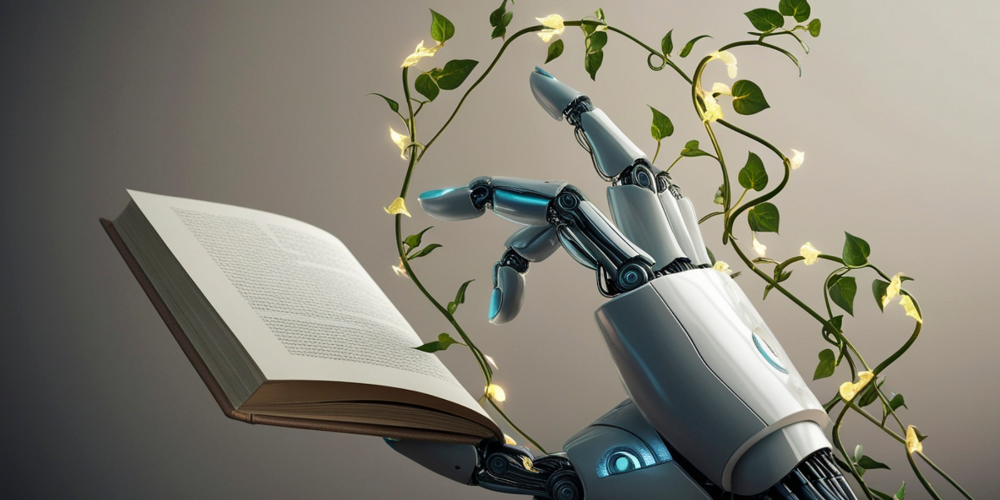
Of course I don’t use artificial intelligence to write my books — I love writing. But we’ve all heard the ongoing debate about whether authors should be using AI to create their stories. And honestly? That question misses the point. Over the past few years I’ve collected some headline-making use cases of AI. They’re practical, personal, time-saving, and yes, surprisingly helpful.
Here are thirteen ways Kenyan authors are using AI that you might not have considered:
- Drafting interview questions for media appearances based on the themes of your book.
- Turning long author bios into short ones for conference programs, speaker sheets, or social media.
- Converting chapter summaries into social media posts that sound like you.
- Asking for comparisons: “What other books or authors might fans of mine enjoy?” Then, use that intel for pitching or positioning
- Writing pitches to bookstores or librarians with tone and length tailored to each audience
- Creating book club discussion guides with thoughtful questions based on the manuscript.
- Rephrasing endorsements to fit different formats, short blurbs, long quotes, or newsletter intros.
- Organizing messy notes from writing workshops, coaching calls, or editor feedback.
- Turning your book’s big idea into a keynote outline or workshop session
- Auditing website copy for clarity, consistency, or missed SEO opportunities.
- Summarizing industry articles so you can stay informed without spending hours reading.
- Rewriting sales copy in different tones – gentle, enthusiastic, curious, assertive – to see what lands best.
- Developing a content calendar broken down by month.
Refining Your AI Definitions
There are two major categories for AI-related work and this is how Amazon defines each.
- AI-generated: We define AI-generated content as text, images, or translations created by an AI-based tool. If you used an AI-based tool to create the actual content (whether text, images or translations), it is considered “AI-generated,: even if you applied substantial edits afterwards.
- AI-assisted: If you created the content yourself and used AI-based tools to edit, refine, error-check, or otherwise improve that content (whether text or images), then it is considered “AI-assisted” and not “AI-generated.” Similarly, if you used an AI-based tool to brainstorm and generate ideas, but ultimately created the text or images yourself, this is also considered “AI-assisted” and not “AI-generated.” It is not necessary to inform us of the use of such tools or processes.
You are responsible for making sure you have the rights to use any AI-generated or AI-assisted content. The thing is, none of these tasks are about outsourcing your voice or vision. They’re about getting a little help with the parts that bog you down. The parts that keep you from writing, or worse, keep your book from reaching the people who need it.
I’m not saying AI is perfect. It isn’t. But when you use it thoughtfully, it can be a quiet partner in your process. Not to replace your creativity, but to protect it.
If you’ve been unsure about trying AI, maybe start here. Start small. Start with busywork. See what opens up when you stop doing it all alone.
© 2025 Doreen Khamala. All rights reserved
If you want a guide to help you shortcut the learning curve, I’m here to help. Let’s tackle it together. Book a Power Hour with me. It’s a personalized session to unpack your concerns, clarify your needs, and create a path forward. Whether you’re hesitant about AI, uncertain about your marketing, or you need a trusted guide to talk things through, I’ve got you.