Metadata tells booksellers, libraries, and your potential readers everything they need to know about your book.
Do you know how to market your book with metadata? You’re a writer, and you probably hate all those geeky computer terms that people toss around when they’re trying to point out something you haven’t done and don’t want to do. But the term metadata is important if you want your book to be searchable from far and wide.
So what is metadata, and why do you want to take advantage of it?
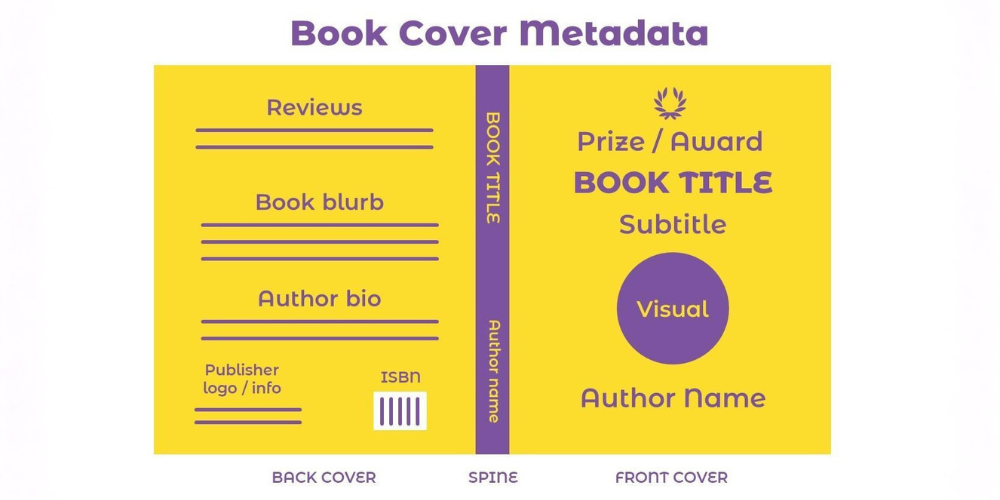
Metadata is data about data – and it’s crucial for your eBook. You may not know it, but your book is introduced to the world through its metadata. Think of the metadata as a yellow pages ad that lists all the information related to your book, including:
- the title and subtitle
- the genre and subgenre
- short and long book description
- the ISBN
- the author and contributor names and bios
- an image of the book cover
- price
- product tags
- publication date and/or On-Sale Date
- publisher info
- reviews
- prizes & awards
- Page Count (for print and ebooks)
Your metadata is populated across many platforms – it’s displayed on Amazon, in library catalogs, bookstores, and everywhere online.
Where does the book metadata come from?
Your ISBN is the anchor for your book metadata. When you purchase your ISBN (The Kenya National Library Service (KNLS) sells ISBNs for Ksh 1500 each) you enter all this data about your book. You can and should enter everything you want bookstores, libraries, and the public to know about your book: the more information you enter, the better.
When you continually update this metadata, it’s pushed out to the world on a regular basis. Update your picture, add review quotes, and even change the categories for your book to see if that helps to spark sales. When you have good news about your book, like a 5-star review or a new endorsement, add that as well.
How do you go about creating good metadata?
Research retailers. Go to Amazon.com, Apple’s iBookstore and look up books like yours. What categories are they in? Study the book descriptions. See what words they’ve used to describe their books. Then search for books using the keywords you found using the keyword tool.
Use google’s keyword tool. It’s a tremendous window into the world of what people are searching for through Google. Look up words you feel describe your book and you’ll quickly see whether people are searching for those words and what other words they are using.
Paying Attention to the Details
Be consistent. Don’t put one book description on Amazon and change it around for local bookstores or other websites. Use similar wording for the boilerplate on your press release, book flyer, banner, bookmark and marketing materials. Create a document or spreadsheet documenting the metadata and where you used it. This is especially important if you have several titles and a huge time saver as you expand your marketing.
When you upload your book to platforms like Amazon, take time to fill in every field carefully. Even details like naming your book cover file properly matter—so that when someone downloads it, it’s titled appropriately rather than “Download2357” or “Screenshot5643.”
And if you have your books on other online platforms where you’re not uploading the book yourself, take time to review what description has been included for your book. You’d be surprised how often metadata gets truncated, misrepresented, or simply copied incorrectly by third parties.
Use the exact same author name spelling across all platforms (including middle initials or lack thereof). Variations like “Jane Smith,” “J. Smith,” and “Jane M. Smith” can split your author profile and make it harder for readers to find all your books.
Choose the most specific categories possible. Being a bestseller in “African Literary Fiction” is more achievable and valuable than being lost in general “Fiction.
Your Next Step as a Kenyan Author
It’s a constant effort to keep your book at the forefront, and when you know how to market a book with metadata, you’ve given your book a welcome boost for no cost!
Don’t know where to begin with book metadata? I have a dedicated space for Kenyan authors to showcase their work to readers who are specifically searching for stories from Kenya. If you’ve gone through the effort of getting your ISBN, the next natural step is making sure your book appears where it matters most to your target audience. I am inviting Kenyan authors to list their books on my platform here: Books by other Kenyan Authors. Contact me via info@doreenkhamalabooks.ke and let’s make your book as easy to find as possible.