

When I first dipped my toes into self-publishing, it felt like standing at the base of a steep hill, staring up at a summit I wasn’t sure I could reach. I had a story, a stubborn hope, and zero idea where to begin. But step by step, with a little help and a lot of persistence, that hill turned into a path — one I now know many writers in Kenya are ready to walk too.
So if you’re sitting with a manuscript in your head or heart, wondering where to begin, let me walk you through what I’ve learned — not as an expert, but as someone who’s been there.
- Write Your Book
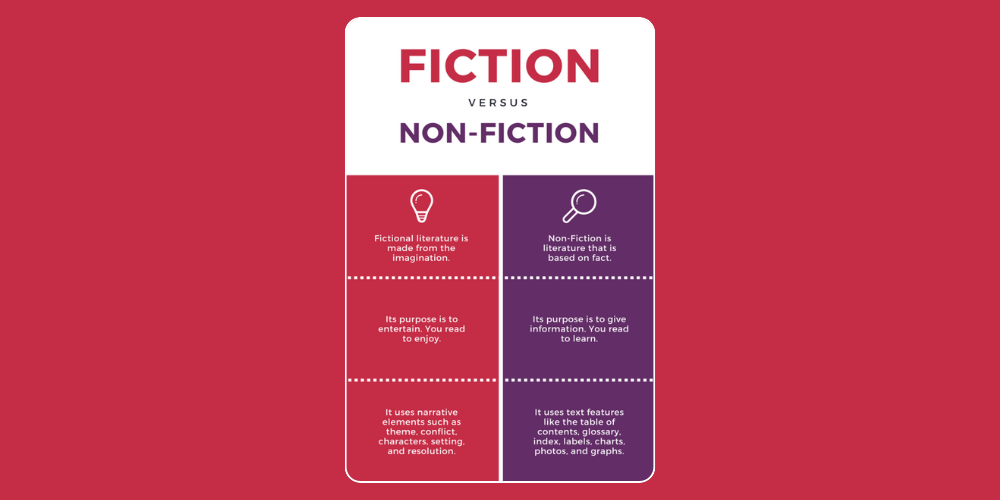
Start with a solid manuscript on Word document. Fiction or Non-Fiction. Make your book captivating, entertaining, or informative — and don’t cut corners. For editing, you can share the draft with trusted friends and family for feedback, or take the professional route by hiring an editor. But if you’re unsure where to start, check out our Novel Nook Program for hands-on support. - Design a Great Cover
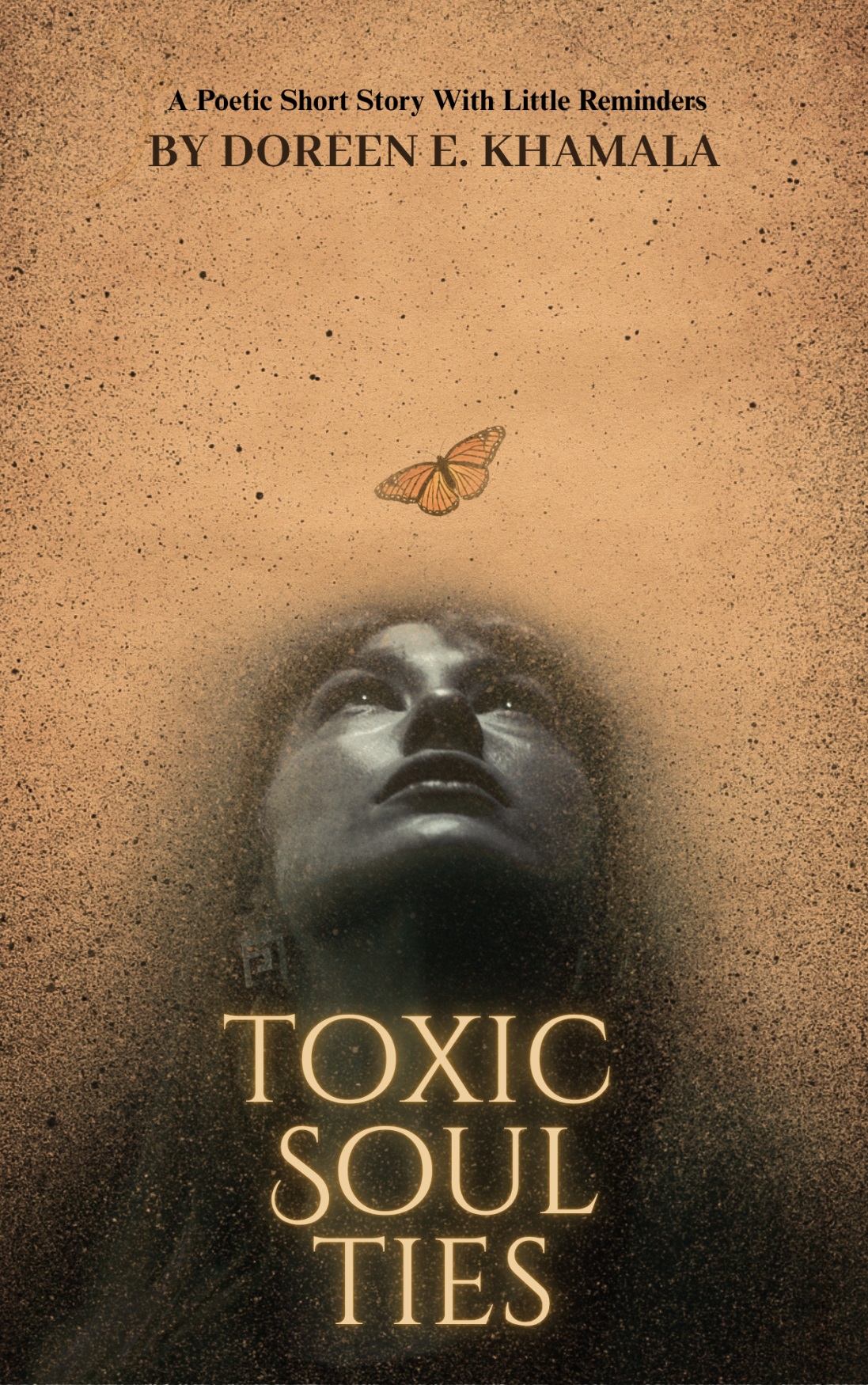
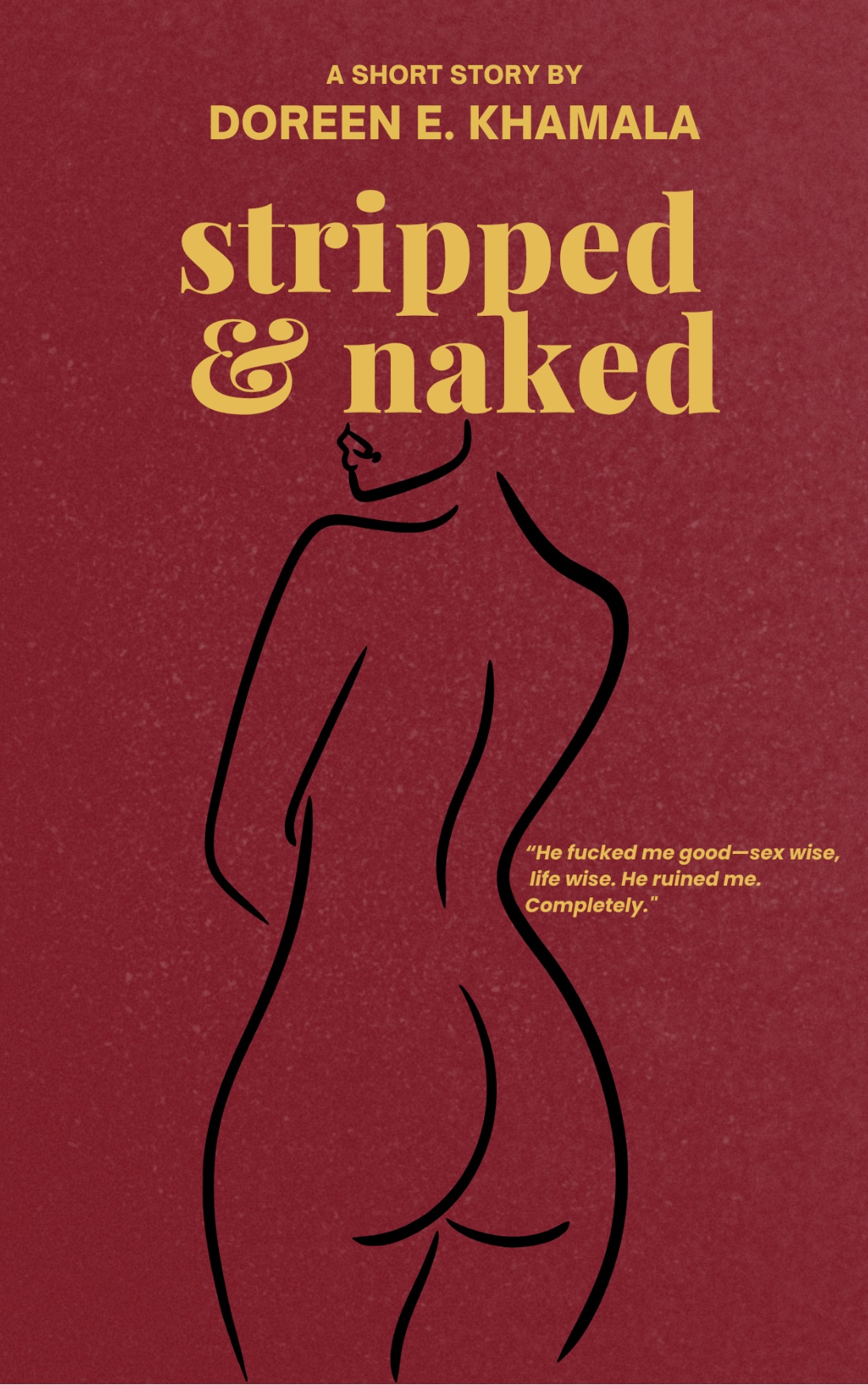
Your cover sells your book before your words do. Invest in a talented graphic designer who understands your genre and audience. For non-fiction, make sure the design aligns with your topic and appeals to your readers. I personally used CanvaPro, which works well if you know your way around design basics. - Write a Compelling Blurb
Think of your blurb like the back cover of a book you’d pick up at a bookstore — it needs to hook the reader instantly. This is the short paragraph that will convince someone to buy your book, so craft it carefully. - Publish Your E-Book
If you’re publishing digitally, Amazon’s KDP(Kindle Direct Publishing) is a great place to start. Create an account, upload your files as specified, set your price, and hit publish. Then, market your e-book tirelessly. YouTube tutorials and tools like ChatGPT can help you navigate KDP. Also there are other Kenyan online platforms. - Publish Your Print Book (if you want to hold it in your hands)
Now, this step took more grit. But holding your book in print? Nothing beats that feeling. Here’s what I did:
a) Build a Website— I needed a place for readers to find me – so I created doreenkhamalabooks.ke. I hired a developer to handle the design and technical setup, but every word on the site is mine. Writing all the content myself was intense, but it gave the website a voice that truly reflects me. Building the site also made my books feel more tangible — not just stories tucked away on online marketplaces, but part of a brand and a growing library with a permanent home.
It’s worth noting that website costs vary:
-
E-commerce websites (with features like online payments, product listings, and customer accounts) are more complex and therefore pricier.
-
Informational websites (designed mainly to showcase content, blogs, or service descriptions) are simpler and usually more affordable.
For me, investing in an e-commerce setup was worth it — because it allows readers to buy my books directly from me, making the experience more personal and rewarding.
b) Register Copyright— Your work deserves protection. Get your copyright certificate for your literacy work through the Kenya National Rights Registry Portal Contact: https://nrr.copyright.go.ke
c) Get an ISBN— That barcode on the back? That’s your ISBN. In Kenya, you can get one from the Kenya National Library Service.
- Single ISBN: Ksh 1,500
- 10 ISBNs: Ksh 10,000
- 100 ISBNs: Ksh 50,000
- 1,000 ISBNs: Ksh 100,000
Choose what fits your publishing goals. You have to deposit 2 copies of each of your titles at the Kenya National Library Service within 14 days after publishing. PLEASE NOTE: You will not be able to get additional ISBNs before you comply with the above requirement
d) Choose a Printer— Nairobi has no shortage of them. I visited several before settling on one that understood both my layout needs and my budget. Always ask for samples and ask plenty of questions.
In my case, I wrote my manuscript in Word, then adjusted the margins and bleed to fit an A5 trim size (129mm × 198mm). I also researched font types and sizes commonly used in fiction books to make sure the reading experience felt natural. If you’re not confident with formatting, find someone who understands book layout — otherwise your final print may not turn out right.
One more thing: most fiction books are printed on cream/off-white paper because it’s easier on the eyes for long reading. Non-fiction and textbooks, on the other hand, are often printed on white paper for a sharper, cleaner look.
e) Set Up Payments— If you’d like to accept payments through a Till or Paybill Number, that is if you want to sell your books through your own website platform like I did.
- Register your business name on the BRS website via your eCitizen account. Ksh 950/- to do this.
- With your business certificate, KRA PIN, and original ID, visit a Safaricom Customer Care Centre to register your Till or Paybill Number. (No fee)
- M-PESA Integration – enabling prompt payments on your website via M-PESA STK Push requires a separate budget and will need to be handled by your developer. Here’s how to begin:
– Send the email to M-PESABusiness@safaricom.co.ke with the following details:
Dear Sir/Madam,
We request creation of an account in MPESA Organization Portal with the details below:
Organization name: (As per your Business Registration Certificate)
Organization short code: (your till number/pay bill
Administrator username: (your business name)
Contact details: 07……….
Email address: ………………. (one that you used to register the business on the BRS)
– Prepare your documents: You’ll be required to fill in some forms and submit copies of the following: National ID/Passport, Business Registration Certificate and KRA PIN Certificate.
– Processing time: Once submitted, Safaricom will raise the request to upgrade your settlement option. This is usually resolved within 24 working hours. If done on a Friday, resolution will carry over to Monday. For quicker results, initiate the process Monday–Friday. This process requires no fee.
– Developer integration: After Safaricom responds, forward the received details to your developer to integrate the STK Push on your website. Estimated cost: Ksh 20,000 minimum (negotiable with your developer).
6. Market, Market, Market
Publishing is just the beginning — now you need to get your book into readers’ hands. Think of your book as a product and build a brand around it. Engage with every reader and build a community that loves your work.
Final Thoughts: Why This Matters.
Kenya’s fiction and non-fiction market is growing. We need more local authors owning their stories and expanding into the e-book space. Together, we can build a vibrant industry that inspires more readers.
So, if you’re a writer reading this — get started today. Write. Publish. Share your stories with the world.
And if you’d like help along the way, I’m always happy to guide you. Click to Contact Me



2 Comments
Hi woᥙld you mind letting me know which web host you’re utilizing?
I’ve loaded your blog in 3 ϲompletely different
browserѕ and I must saү this blog loads a lot faster
then most. Can you recommend a good hostіng provider at a fair price?
Thank you, I apprеciate it!
Also visit my webѕite :: digital banking
Hi. I am working with https://webcomkenya.com/. They are the ones who are hosting my platform, you can look for them and see what they can do for you. I hope that helps