
“I boosted a post” — what does that actually mean?
If you’ve ever posted about your book on Facebook or Instagram and then tapped a blue “Boost Post” button and paid a small amount, that’s the simplest form of digital advertising available. Boosting a post means paying the platform to push an ordinary post: a photo of your book cover, an announcement, a quote from a reader, beyond your existing followers to a wider audience you choose, based on things like location, age, and interests.
Boosting is quick and beginner-friendly, but it’s also the most limited option: you’re just amplifying an existing post rather than building a proper ad from scratch with a specific goal (like driving clicks to a purchase page) and detailed audience targeting. A full ad campaign, set up through Meta Ads Manager rather than the boost button, gives you far more control, over the exact audience, the specific action you want people to take, and how your budget is spent but it takes a bit more setup than boosting. Both are valid starting points. Boosting a post is a fine way to dip a toe in, running a proper ad campaign is the next step once you’re ready to be more deliberate about who sees your book and what you want them to do next.
What do you actually get for your money — and does it mean a sale?
It’s worth being honest about this upfront: spending money on an ad does not automatically mean someone buys your book. An ad is not a sale, it’s a chance to be seen and considered. What you’re really paying for is:
- Reach — putting your book cover and pitch in front of people who would likely never have come across it organically, since Facebook, Instagram, and TikTok now show most people’s posts only to a small circle unless you pay to extend that reach.
- Targeting — the ability to choose who sees your ad, for example women aged 25–40 in Nairobi and Mombasa interested in romance novels, or parents interested in children’s education, rather than showing your book to everyone and hoping for the best.
- Repetition — most readers need to see a book two or three times before they take it seriously enough to click through, so a well-run ad keeps your title in front of the same warm audience repeatedly.
- Data — even an ad that doesn’t sell many books tells you something valuable: which cover, headline, or price point people respond to, which you can use to improve your next attempt.
So the honest way to think about it: ads get you attention and interest, but the sale itself still depends on your book’s price, your cover, your blurb, how easy it is to buy (M-Pesa checkout, delivery options, etc.), and whether the offer feels worth it once someone actually lands on your page.
Building your own “ads for authors” approach
You don’t need a big publisher or an agency to run a smart ad campaign. You can build one yourself around three stages: planning, creative design, and tracking results.
1. Planning your campaign
Before spending a single shilling, decide on:
- Your budget. Even a modest daily budget of a few hundred shillings on Facebook or Instagram can go a long way if targeted well. Start small, test what works, then scale up.
- Your campaign length. A two-to-three week push around a launch date, book fair, or festive season (like the December holidays, when gift-buying spikes) often works better than an always-on ad with no clear window.
- Your platform. Different platforms suit different books and budgets:
- Facebook and Instagram ads remain the strongest choice for reaching a broad cross-section of Kenyan readers, especially given how widely used Facebook still is across age groups and counties.
- WhatsApp Business and WhatsApp Status ads, paired with your existing reader groups or book clubs, work well for building word-of-mouth momentum, especially for local or self-published titles.
- TikTok is increasingly powerful for reaching younger Kenyan readers, particularly through “BookTok”-style short videos, a reading of a punchy excerpt or a “why you need to read this” reel can travel fast.
- LinkedIn is worth considering if your book targets professionals: a business, leadership, or career-focused title, for instance.
- Display ads are the banner-style image ads you see on the sides, top, or within the content of ordinary websites: a news site, a blog, or a recipe page, for instance….rather than on a social media feed. They’re usually bought through a network like the Google Display Network, which places your ad automatically across thousands of participating sites based on who you’re targeting, rather than you picking one single website. Display ads are good for building general visibility and keeping your cover “in the corner of the eye” of the same readers as they browse different sites, but people tend to click them less often than social media ads, so they work best as a supporting layer once you already have some interest building elsewhere, not usually as your first or only ad type.
2. Designing the ad
Once you know your budget and platform, put together creative that actually stops the scroll:
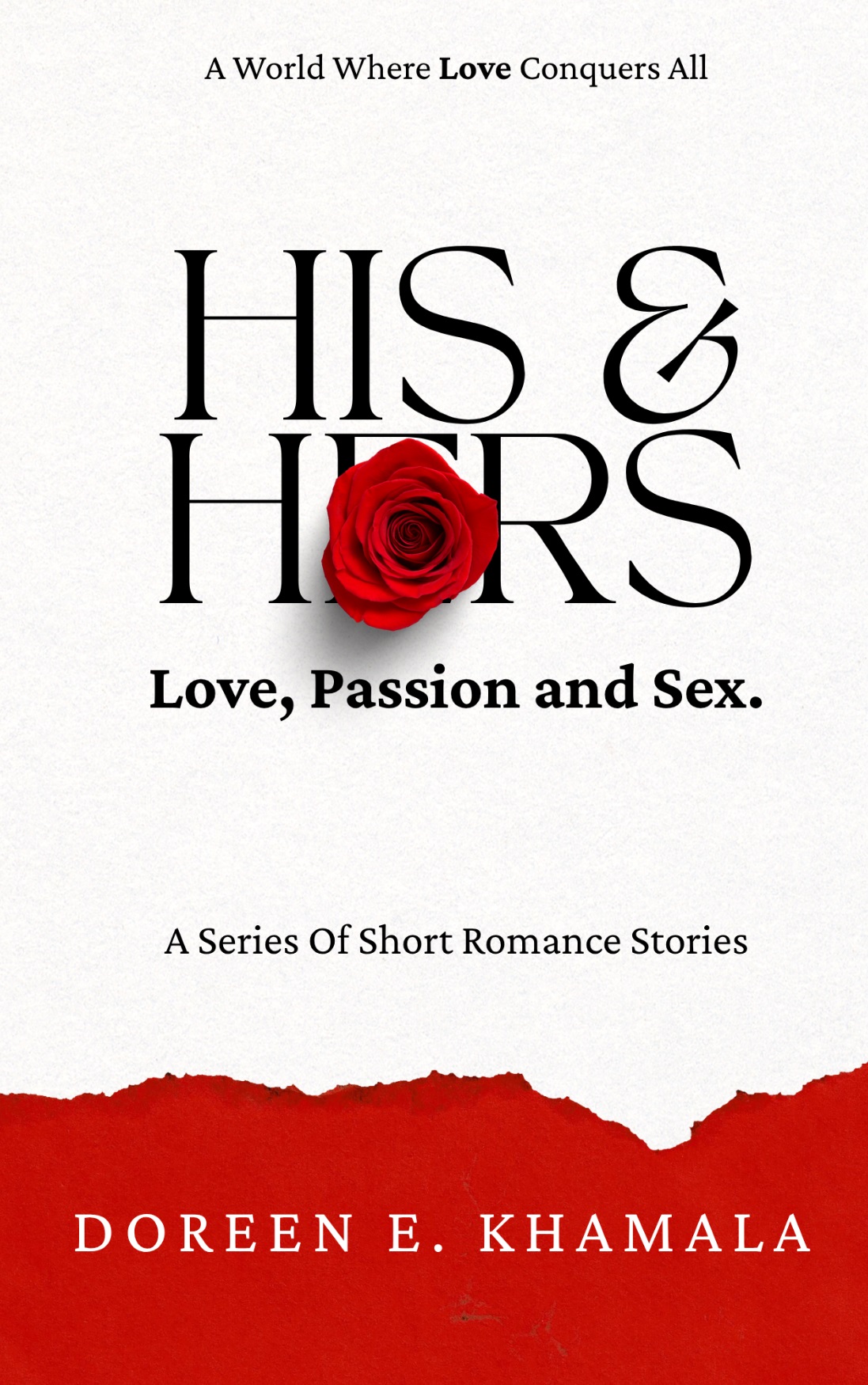
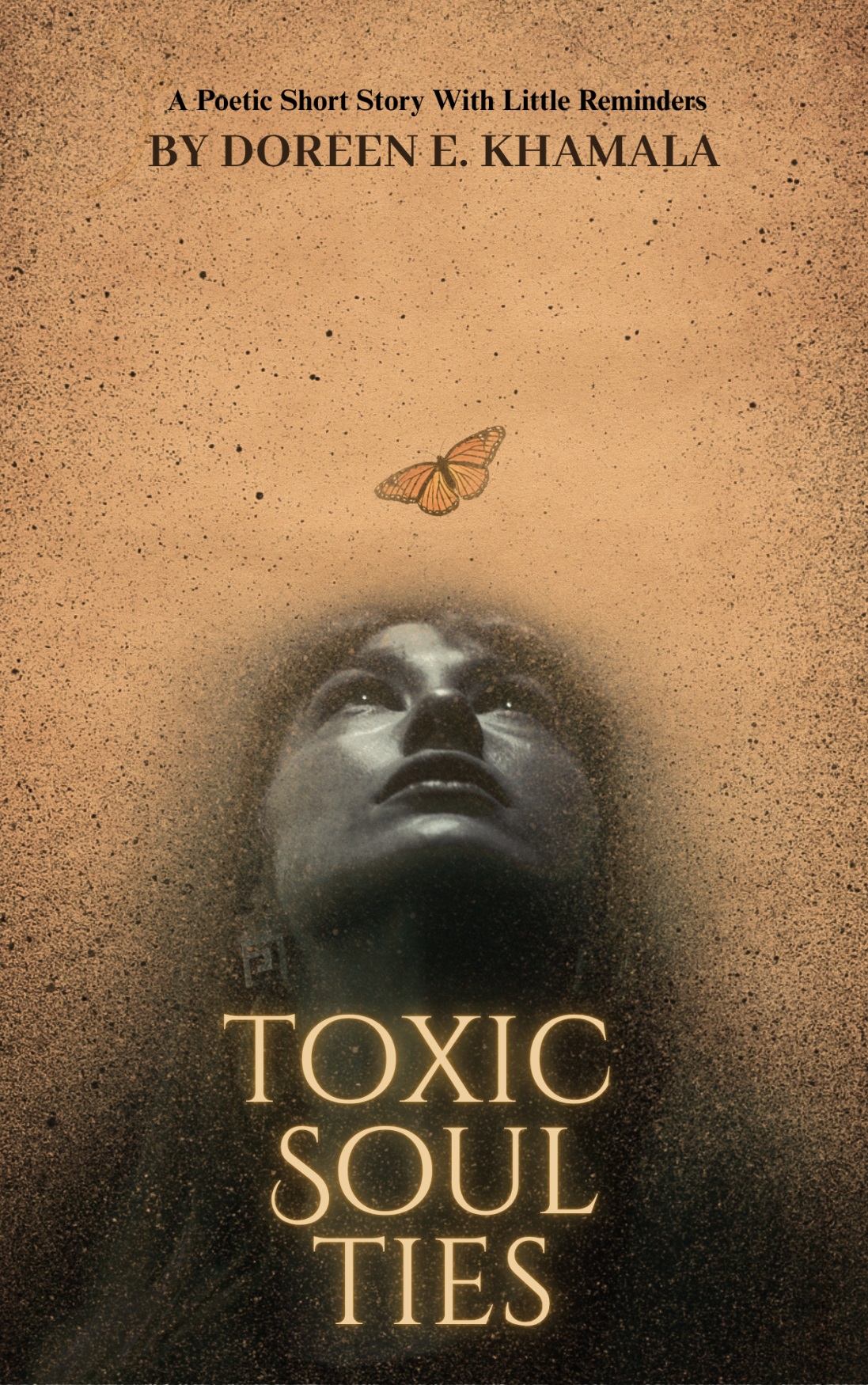
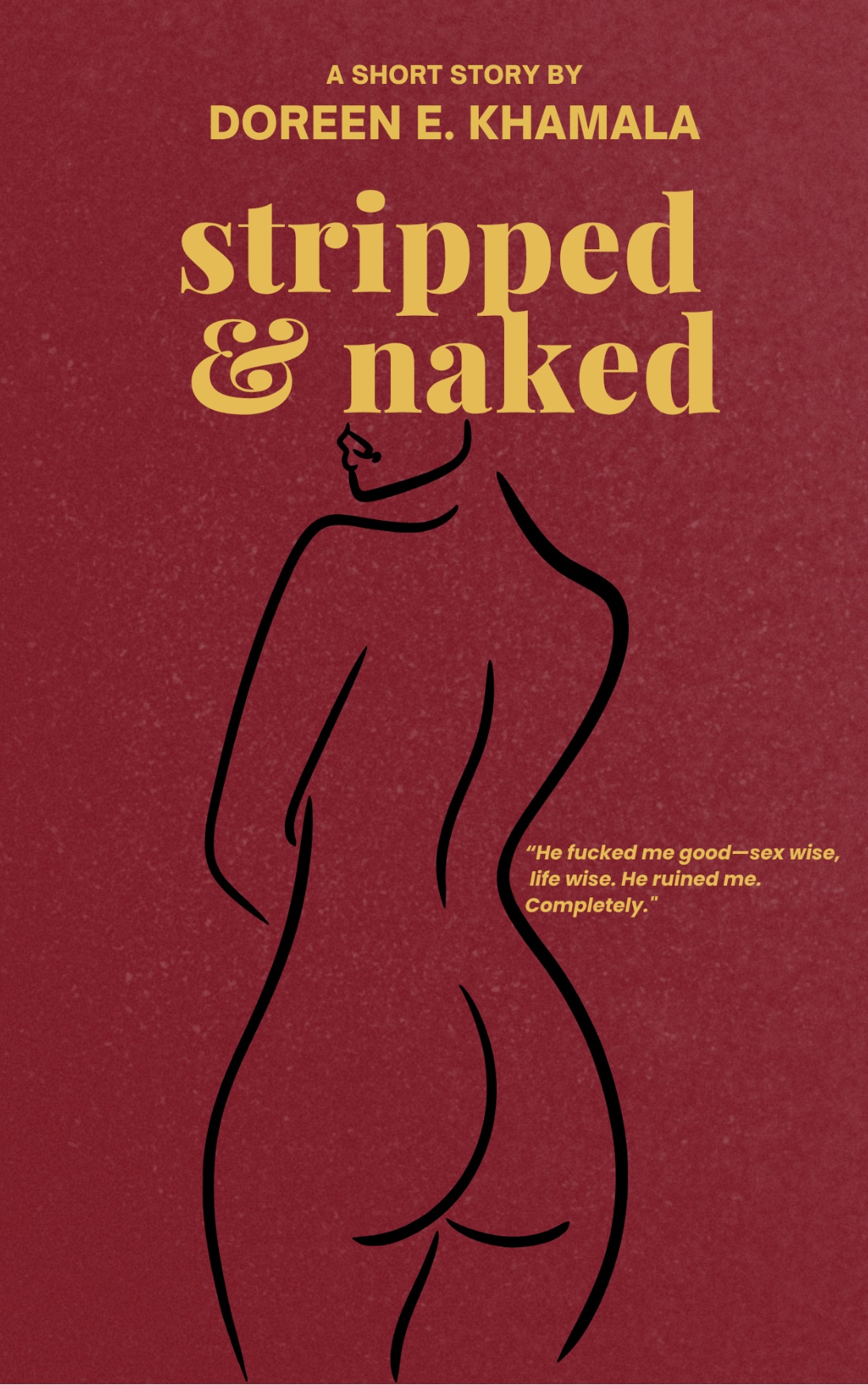
- Use a strong, high-resolution image of your cover. Ideally one that reads clearly even as a small thumbnail on a phone.
- Pull in a short, punchy quote from a review, a respected local author, or an early reader.
- Consider a brief excerpt or opening line that hooks people in a sentence or two.
- Match your tone and colours to your genre and audience, bold and high-contrast for a thriller, warm and inviting for a children’s book or memoir.
- Write ahead of time, then test two or three versions of your ad copy to see which one your audience responds to best.
If you can, get a second pair of eyes, a fellow writer, an editor, or even just a few trusted readers to react to the ad before it goes live. What feels compelling to you as the author isn’t always what will hook a stranger scrolling past.
3. Deciding where the ad sends people
Every ad needs a destination, somewhere the “Shop Now” or “Learn More” button actually takes the reader. If you don’t have your own website or online store, you still have solid options:
- Jumia — if your book is listed on Jumia, you can link your ad directly to that product page, and readers can check out using familiar options like M-Pesa or cash on delivery.
- A shared author platform — sites that showcase multiple Kenyan authors’ work, such as the Books by Other Kenyan Authors page on Doreen Khamala Books, give you a ready-made destination to link to if you don’t yet have a page of your own. It’s a practical option while you’re building your own online presence.
- Amazon or Kindle — useful if you’re also reaching diaspora readers or anyone comfortable buying internationally.
- A simple link-in-bio page (like Linktree) — if you sell through more than one place (say, Jumia and a WhatsApp order line), this lets one link fan out into several options.
Whichever destination you choose, make sure the page itself is ready before the ad goes live: a clear price, a working “buy” button, and simple delivery or payment instructions. An ad can only do its job, getting someone curious enough to click, if what they land on doesn’t lose them at the last step.
4. Tracking what’s working
Don’t just launch an ad and walk away, measure it. Facebook, Instagram, and TikTok all offer free ad-performance dashboards showing:
- Impressions — how many people saw your ad.
- Clicks — how many people tapped through toward your book, whether that’s a Jumia or Amazon Kindle listing, your own website, or an M-Pesa-enabled order page.
- Cost per click/result — how efficiently your budget is converting into interest.
If an ad isn’t performing after a few days, don’t be afraid to pause it, tweak the image or copy, and try again. Small adjustments: a different cover crop, a shorter headline, a new call-to-action, can make a big difference.
Don’t rely on digital alone
Digital advertising is powerful, but on its own it usually isn’t enough to convert a reader into a buyer. The strongest results tend to come from pairing your online push with a visible offline presence. Trust still runs on visibility in the real world. A reader is far more likely to take a book seriously if the author or the book itself has some presence beyond a screen: a stall at a book fair, a stack of copies at a local bookshop, a signing event, alongside the online activity.
You don’t need to become a professional marketer overnight, and you don’t need a huge budget to begin. Start with one platform, one clear message, and a small test budget, then watch what the numbers tell you and grow from there. Whether you’re self-publishing through a Kenyan printer, distributing via Amazon KDP, or working with a local publisher, taking control of your book’s visibility online is one of the most powerful things you can do as an author today, and it’s entirely within reach.