
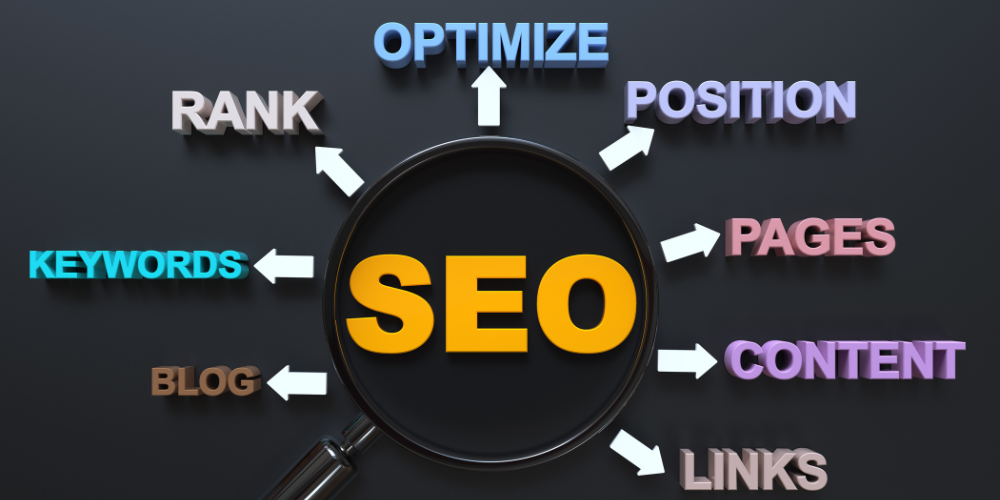
For the modern Kenyan authors, SEO (Search Engine Optimization) isn’t just a technical marketing tactic, it’s about creating a strategy that ensures you’re visible wherever readers are looking for books online. At its core, SEO means using the right words, structure, and content to connect your writing with the people most likely to buy it.
In this article, I’ll break down the three specific types of SEO I prioritize and highlight the most common mistakes Kenyan authors make, plus, practical ways you can avoid them to ensure your books actually get found.
What SEO really means for authors
a) Website SEO: Your author website (if you have one) is your digital headquarters. Unlike social media platforms, you own this space.
- Use titles, meta descriptions, and headers (H1, H2) that help Google understand your site. (Your website’s meta descriptions are the snippets that appear in Google search results.)
- Make sure your site is mobile-friendly and loads quickly—Google rewards speed and usability.
- Write content around topics that readers are already searching for, such as “best fantasy romance books” or “how to write nonfiction”.
- Use a keyword research tool (like Google Keyword Planner) to find phrases your ideal readers are typing into search engines.
b) Social Media SEO: These days, social platforms are their own mini search engines. On TikTok, Instagram, and even Pinterest, readers love to search for book recs, favourite tropes, and new genres to explore.
- Think of each of your posts as searchable content, not just quick updates. What phrases would your readers type into Instagram or TikTok to find a book like yours?
- Use relevant hashtags, but first do a proper research too.
- Write captions with searchable keywords (instead of vague phrases like “new post,” use “new fantasy romance release”).
- Your bio shouldn’t just be your name. Include key words like “Kenyan Thriller Author” so you appear when someone searches those terms.
c) Retailer SEO: Whether your book is on Amazon, Kibanga Books or listed on any other local bookstore’s website, metadata determines if you appear in the “Customers also bought” or “Recommended” sections. You need to do more for yourself. Because most of them just copy and paste the blurb of your book onto their website. Does your first 100 words on your book description include any keywords related to your genre, tropes and themes?
Perfect your book’s searchable details to boost its ranking in online retailer results. Today, it’s not about “get the traffic” – it’s about ‘get the targeted and relevant traffic’.
Common Mistakes Authors Make with SEO.
In the rush to make their books discoverable online, many authors fall into SEO traps that actually hurt their visibility and sales.
Let’s look at some common mistakes:
- Random Keywords: Taking the Scattershot Approach: Many authors stuff their book descriptions and metadata with whatever keywords sound relevant like “bestseller, Africa, Magic, Love”, without researching what readers actually search for.
Solution: Take a little time to explore and understand what your ideal readers are actually typing into search bars. Use tools like Google Keyword Planner to see what’s working for other books in your genre to find the keywords that truly connect with your audience.
- Writing for Algorithms Instead of Readers: Sometimes, in the excitement of working to boost their visibility, authors may pack their descriptions with keywords, prioritizing keyword density over readability. This can result in creating descriptions that feel robotic and off-putting to potential readers.
Solution: Stop describing your book with awkward or unnatural words that sound like they came straight from a computer. Write engaging and authentic descriptions first, then strategically weave in relevant keywords where they flow naturally.
- Taking the “one and done” approach: So you’ve published your book, distributed them to bookstores or put them on social media. Then you think that’s it. No it’s not it. Be mindful and make an effort to avoid the following:
- Never updating your keywords, categories or descriptions after your book is first published. From me, since I have an author website, so I am always editing something on it at all times so that the whole website is visible out there.
- Not monitoring which keywords actually drive sales and help you connect with readers. You should really pay attention to what is working for you, even on social media platforms.
Solution: Set a reminder to check in on your SEO every few months—see how your book’s performing in searches, keep an eye on what’s changing in your genre, and treat metadata updates as an ongoing part of your author journey.
Simple First Steps You can Take Immediately
You don’t need to be an SEO expert overnight to see significant improvements in your book’s discoverability. Start here:
- Research 4 to 5 keywords for your genre: Start with the basics by identifying what readers in your genre actually search for. (e.g., “Nairobi crime thriller,” “Contemporary African poetry”).
- Add SEO-friendly meta descriptions to your author website: Keep them under 160 characters, include your primary keyword and include a call-to-action such as “learn more” or “discover.”
- Write one blog post per month, per week (whatever works for you) targeting a keyword: Sharing regular, keyword-rich content not only helps you shine as a go-to voice in your genre, but it also helps your site climb higher in search results, making it easier for new readers to find you.
- Audit You Social Media Plaforms Bio: If your social media bio hasn’t changed in a year, update it today to include your current genre and a link to your latest work.
- Optimize your social media posts for reach: Think about what readers might type into Instagram, TikTok, or Pinterest to find a book like yours. Use relevant hashtags, write captions with searchable phrases (for example, “fantasy romance book recommendations” instead of “new post”), and consistently mention your genre, tropes, or themes.
- Be intentional with bookstore and online retailer listings:
If your book is listed in a physical bookstore website, don’t leave the description entirely to chance. Send them a professional, SEO-optimized description and high-quality cover image.
Final Thoughts
Think of SEO as your book’s best friend, helping new readers discover your stories long after launch day. When you take simple steps like optimizing your website and social media, or weaving in a few targeted keywords, you’re building an inviting path for book lovers who are searching for books just like yours. Start small, be consistent, and watch as your visibility (and readership!) grows over time.
Ready to improve your metadata and learn how to find the right keywords? Reach out at info@doreenkhamalabooks.ke or subscribe to my mailing list to get more great tips.